
The Art of Perfect Foie Gras: A Culinary Journey
Discover the traditional techniques and ingredients for preparing exquisite foie gras, a timeless delicacy that captivates the palate.
Foie gras, a luxurious delicacy revered by culinary enthusiasts, offers a taste experience unlike any other. Rooted in rich tradition, this dish requires both precision and respect for its intricate flavors. In this guide, we explore the meticulous steps needed to prepare foie gras, ensuring each bite is a testament to its heritage.
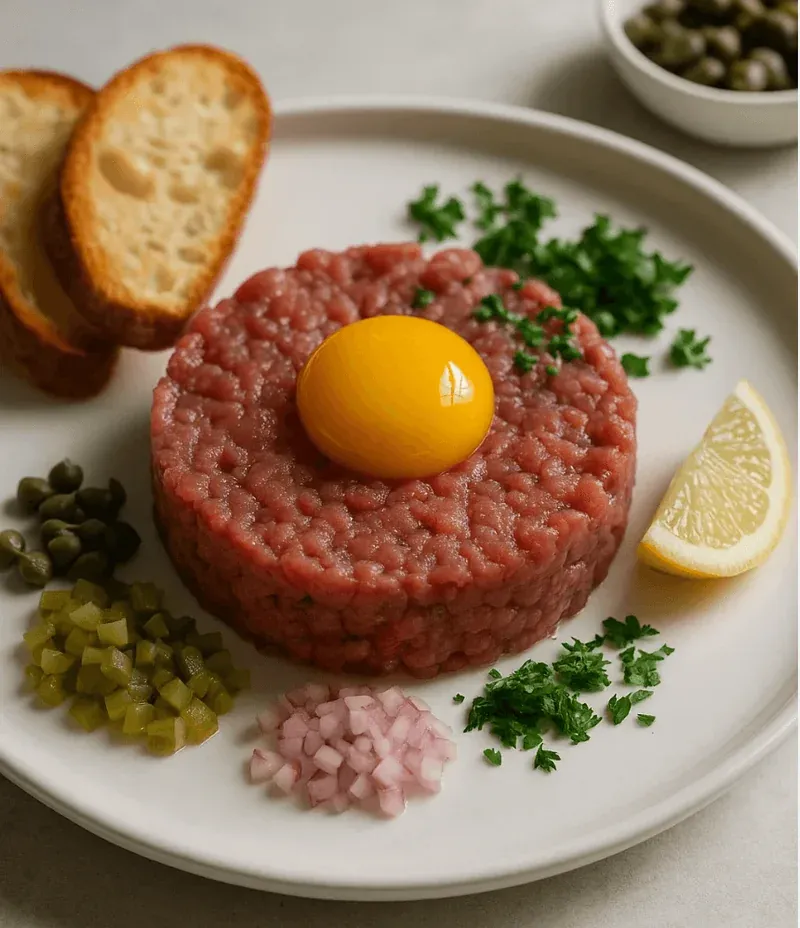
The Craft of Foie Gras
Foie gras has been a staple of fine dining for centuries, originating from ancient techniques of fattening ducks or geese. This method results in a rich, buttery liver that is prized for its unique flavor and texture. In this preparation, we focus on the key techniques that bring out the best in this esteemed ingredient.
Essential Ingredients
- 200g Premium Fresh Foie Gras: Opt for Grade A for the best quality.
- 2 Thick Slices of Brioche: The soft, slightly sweet bread complements the richness of foie gras.
- 1 tsp Sea Salt: Fleur de sel or Maldon enhances the flavors.
- 1/2 tsp Freshly Ground Black Pepper: Adds a subtle heat.
- 2 tbsp Port Wine Reduction: Offers a sweet and tangy contrast.
- Fresh Figs or Raspberries: These provide a refreshing garnish.
- Microgreens: For a touch of color and freshness.
Mastering the Technique
Step 1: Preparing the Foie Gras Ensure your foie gras is chilled right out of the fridge. Slice it into medallions around 2–3 cm thick, using a sharp knife to make shallow cross-hatch scores on both sides. This helps in rendering the fat and creating an ideal texture.
Step 2: Cooling the Medallions Return the scored foie gras to the refrigerator for a brief 10 to 15 minutes. This step is critical; a warm foie gras can dissolve into fat before forming a crust.
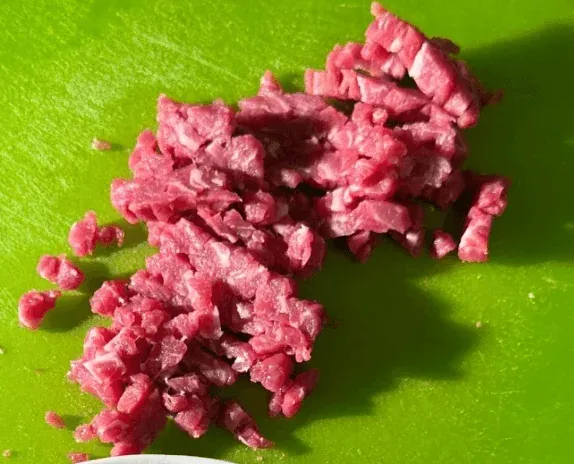
Step 3: Searing to Perfection Heat a stainless steel or cast-iron skillet over high heat. The foie gras provides its own fat, so additional oil or butter is unnecessary. Once the pan begins to smoke slightly, place the cold medallions inside. Sear for 45 to 60 seconds without moving them until a rich brown crust develops.
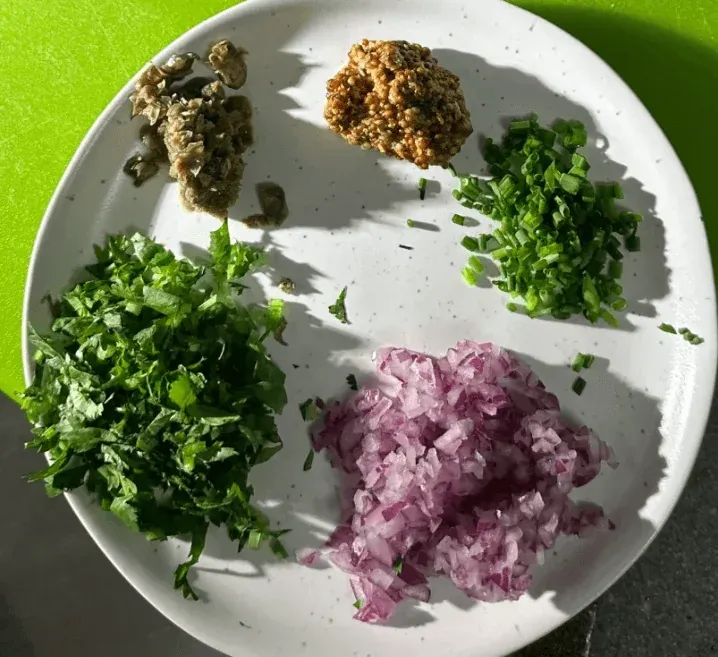
Step 4: Flipping and Seasoning Carefully flip the medallions with a palette knife or offset spatula. Sear the opposite side for another 30 to 45 seconds. The center should remain soft, yet springy. Season with sea salt and black pepper while still hot in the pan.
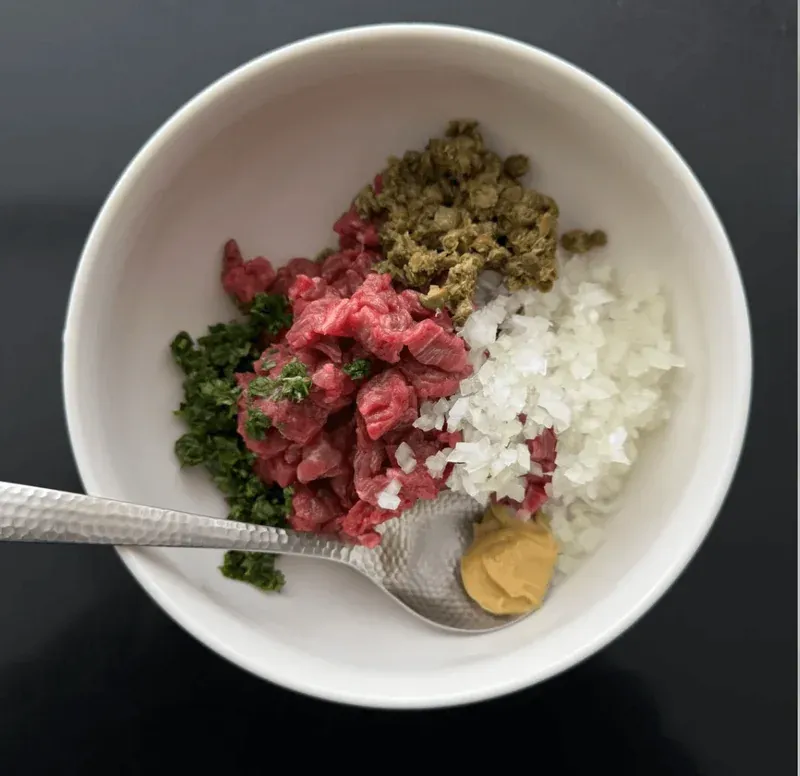
Step 5: Toasting the Brioche Remove the foie gras, allowing it to rest on a warm plate momentarily. Meanwhile, place the brioche slices into the pan to toast in the remaining duck fat. Achieve a golden brown hue.
Step 6: Assembling the Dish On a plate, lay the toasted brioche, top it with the seared foie gras, and drizzle with the port wine reduction. Garnish with figs, raspberries, and microgreens. Serve immediately to enjoy the contrast of temperatures and flavors.
Pro Tips for Excellence
- Temperature Mastery: Keep foie gras extremely cold before searing, and ensure the pan is very hot.
- Preserve the Duck Fat: The rendered fat is a culinary treasure. Filter and save it to enhance future dishes like roasted vegetables.
- Mind the Space: Sear only a few medallions at a time to maintain the pan’s heat.
- Balancing Acidity: Use lemon juice or berry compote if port wine reduction is unavailable, as acidity balances the foie gras’s richness.
Nutritional Insight (Per Serving)
- Calories: Approximately 455 kcal
- Protein: 9 g
- Total Fat: 41 g
- Carbohydrates: 11 g
- Vitamin A: 175% DV
- Iron: 14% DV